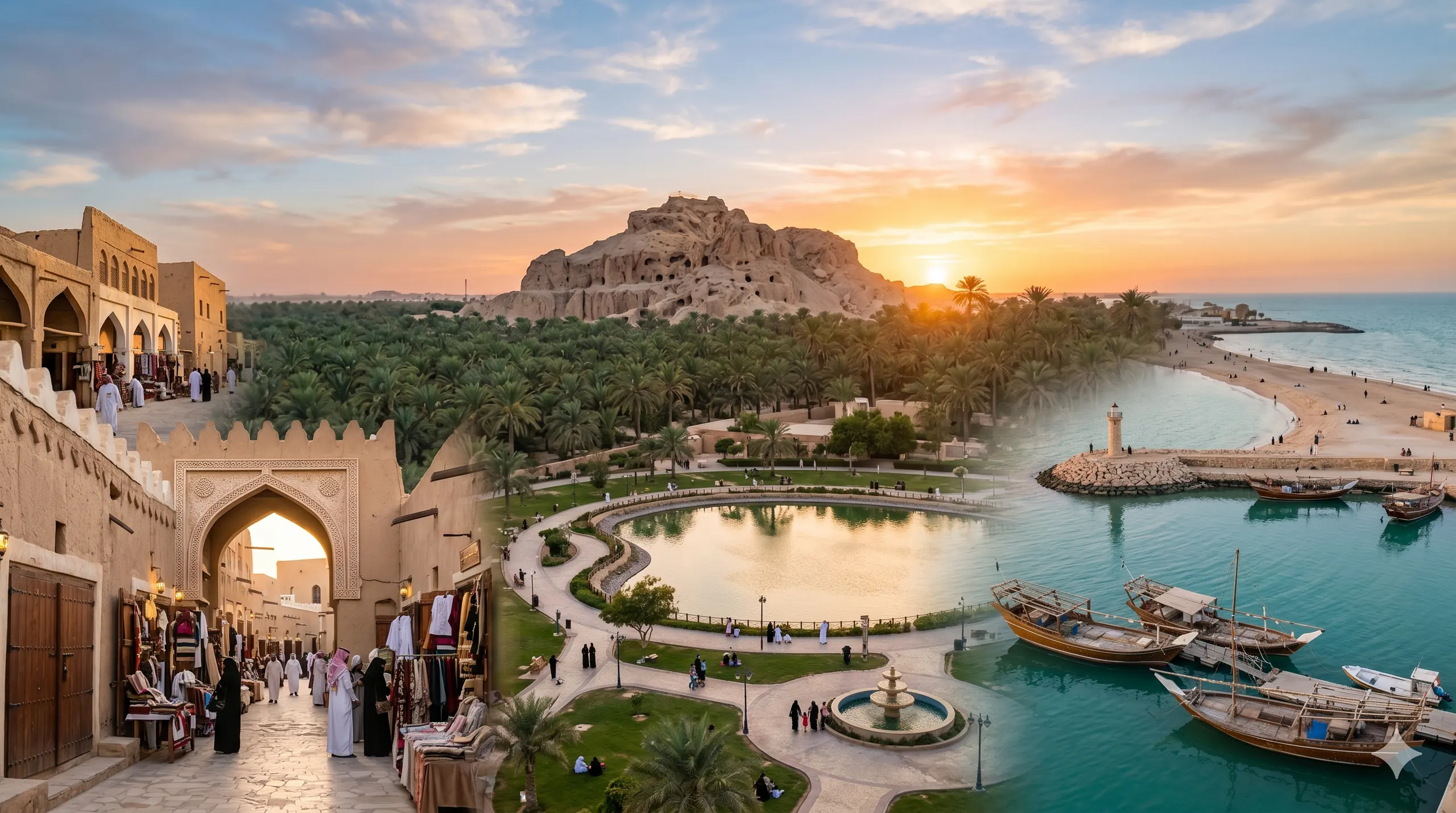
A Land Whose Stories Predate History
From the ancient markets of Hajar to modern World Heritage — meet the place that shaped a civilization.
Quick Fact Sheet
Why Al-Ahsa?
Al-Ahsa unites six pillars that rarely meet in a single destination — the essence of what you'll experience here.
The Six Pillars of Attraction
A World-Class Oasis
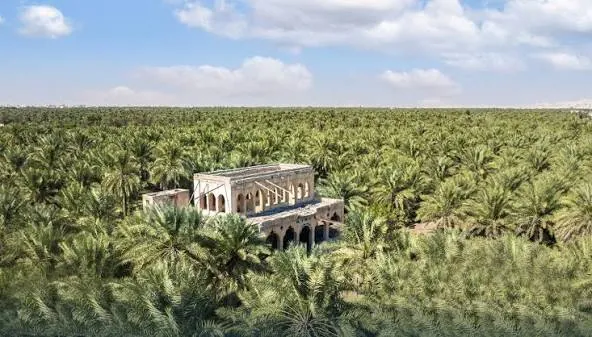
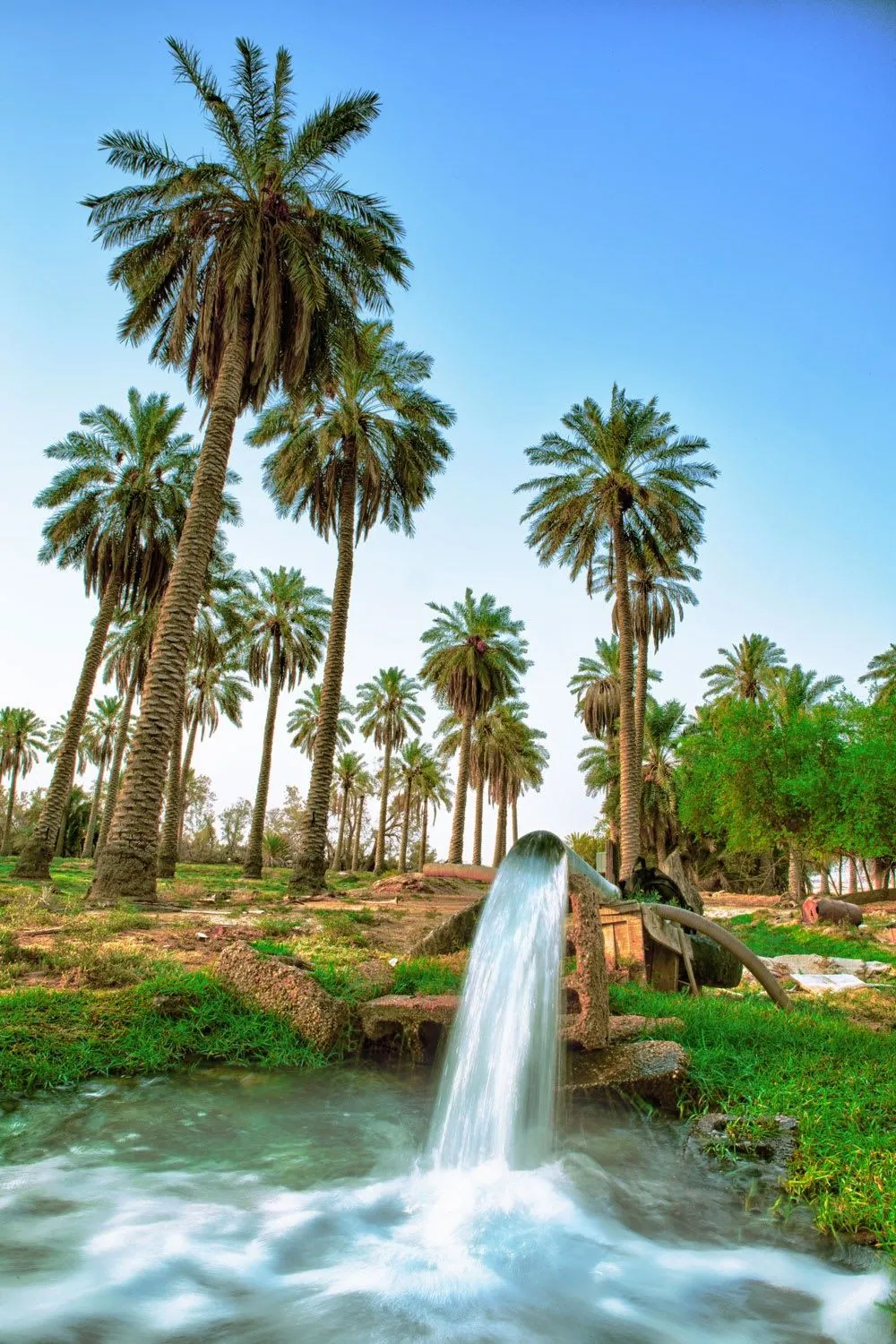
The world's largest palm oasis and a living World Heritage site reflecting humanity's bond with nature across millennia.
Deep History
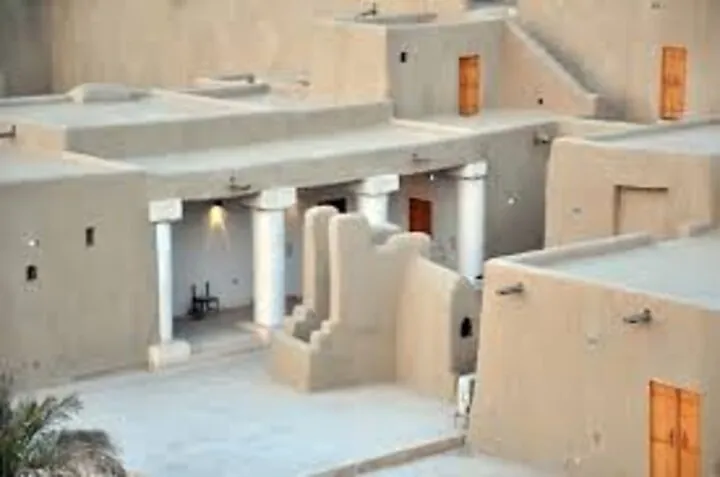
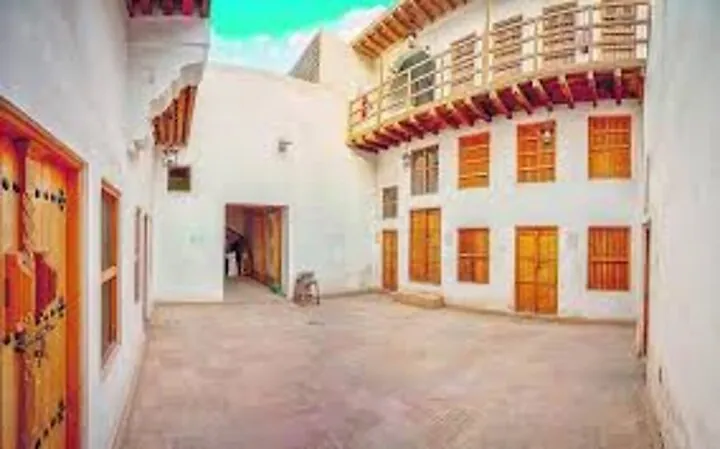
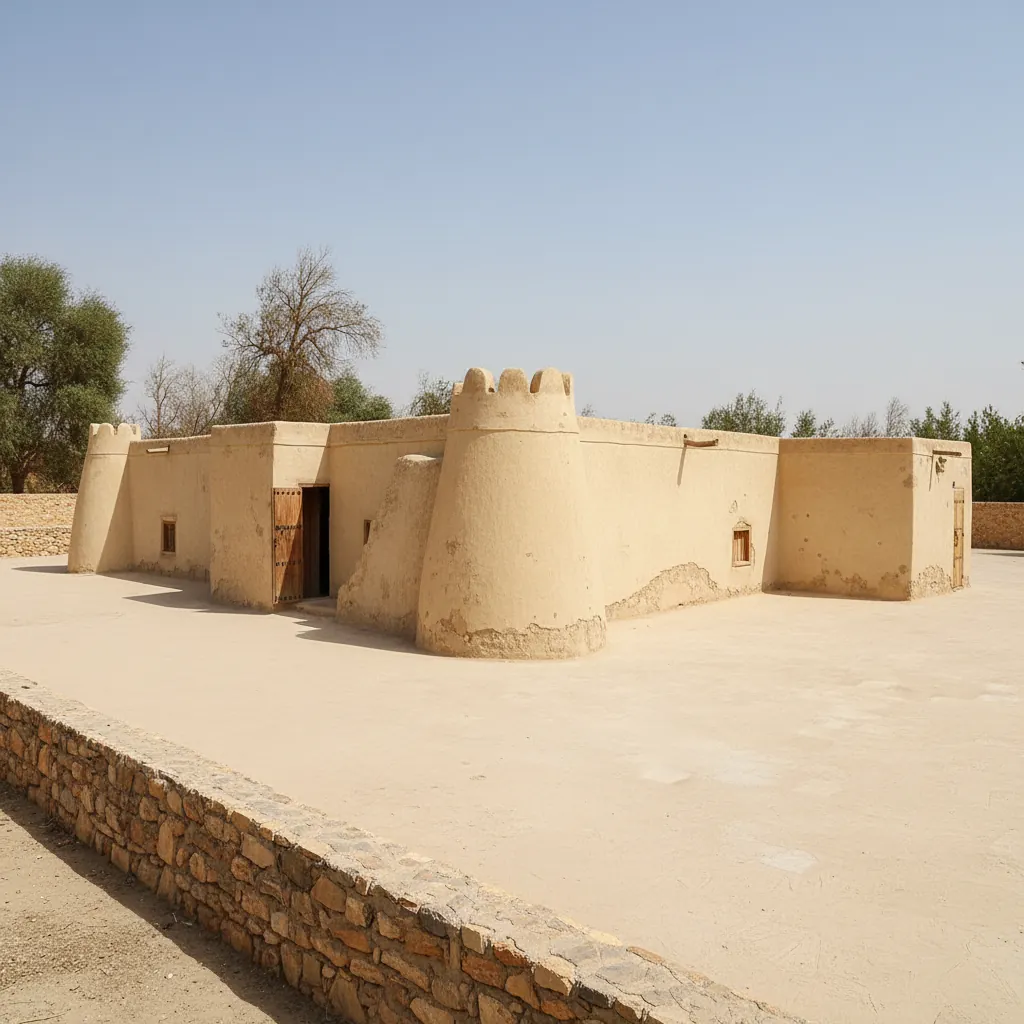
A land of successive civilizations and pivotal early-Islamic events, with palaces and souqs still standing.
Rare Nature
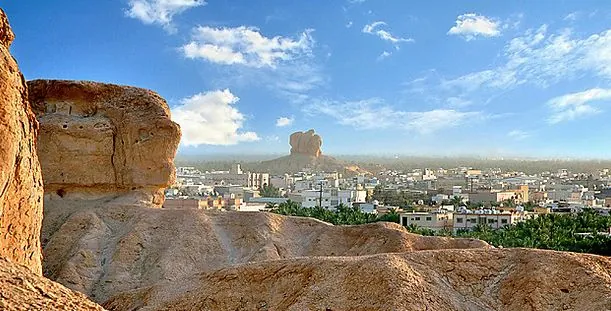
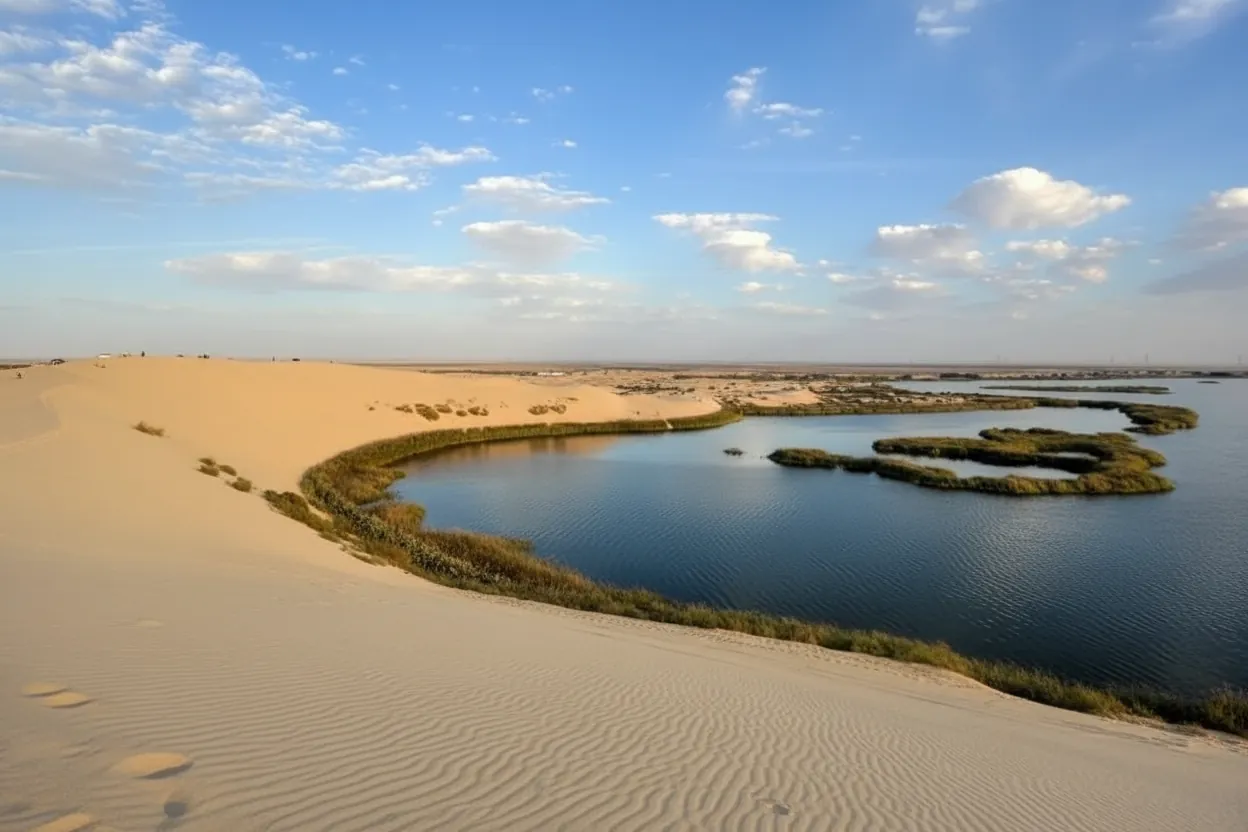
Al-Qarah mountain and its caves, Al-Asfar lake, and the sulphur springs — a striking geological and aquatic diversity.
Natural Wellness
Hot sulphur waters sought for healing for centuries, giving Al-Ahsa a distinctive therapeutic dimension.
Living Heritage & Crafts
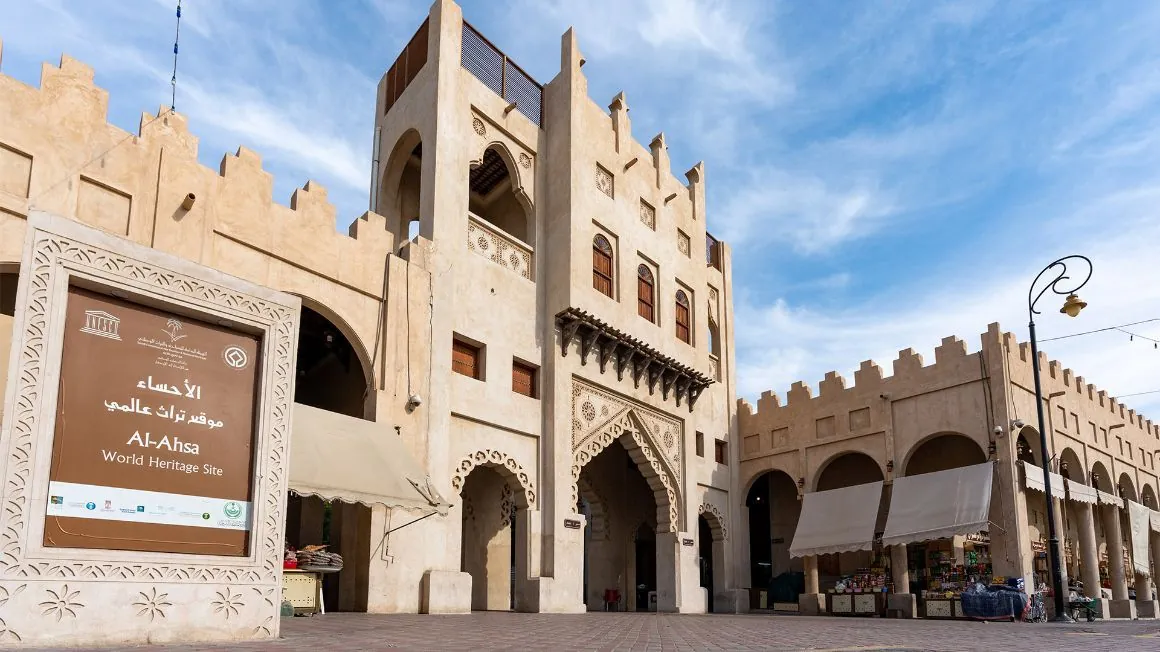
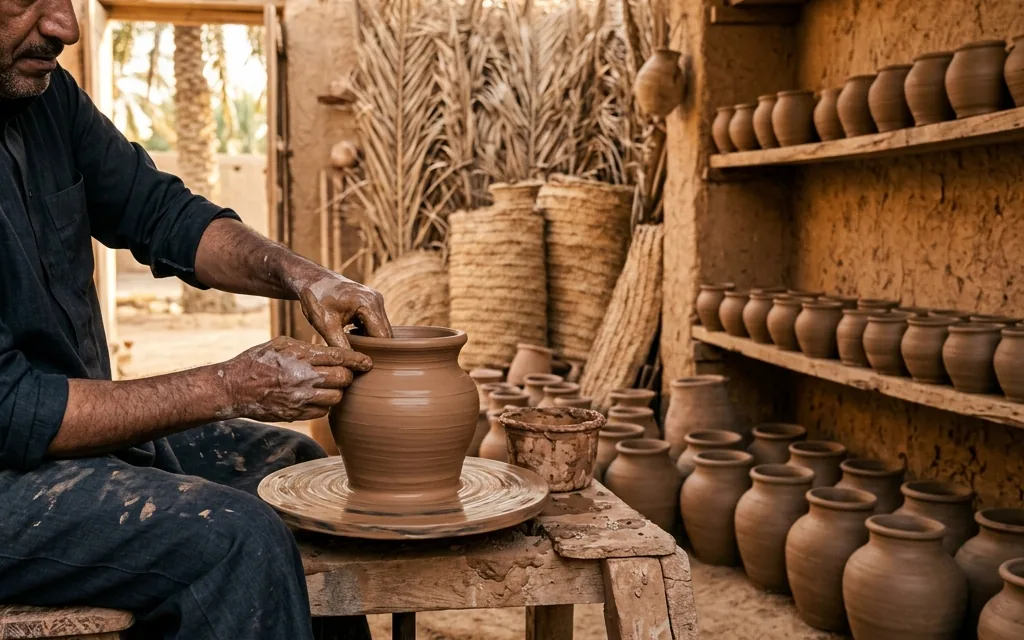
The bisht, pottery, prayer beads, incense, and Qaisariyah souq — handicrafts that are still alive.
Capital of Dates
The finest dates, the famous Khalas among them, and annual festivals linking farming to economy and tourism.
Moments in History
Land of Banu Abd al-Qais
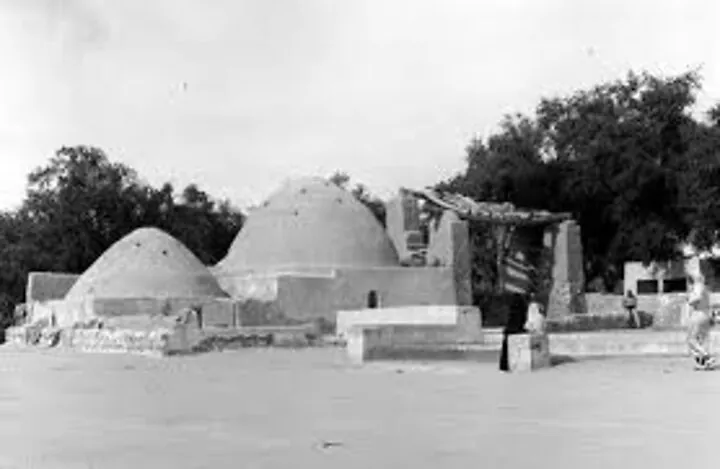
Al-Ahsa was part of the realm of Banu Abd al-Qais and known for great trading markets such as the souqs of Hajar and Jawatha.
Banu Abd al-Qais Embrace Islam
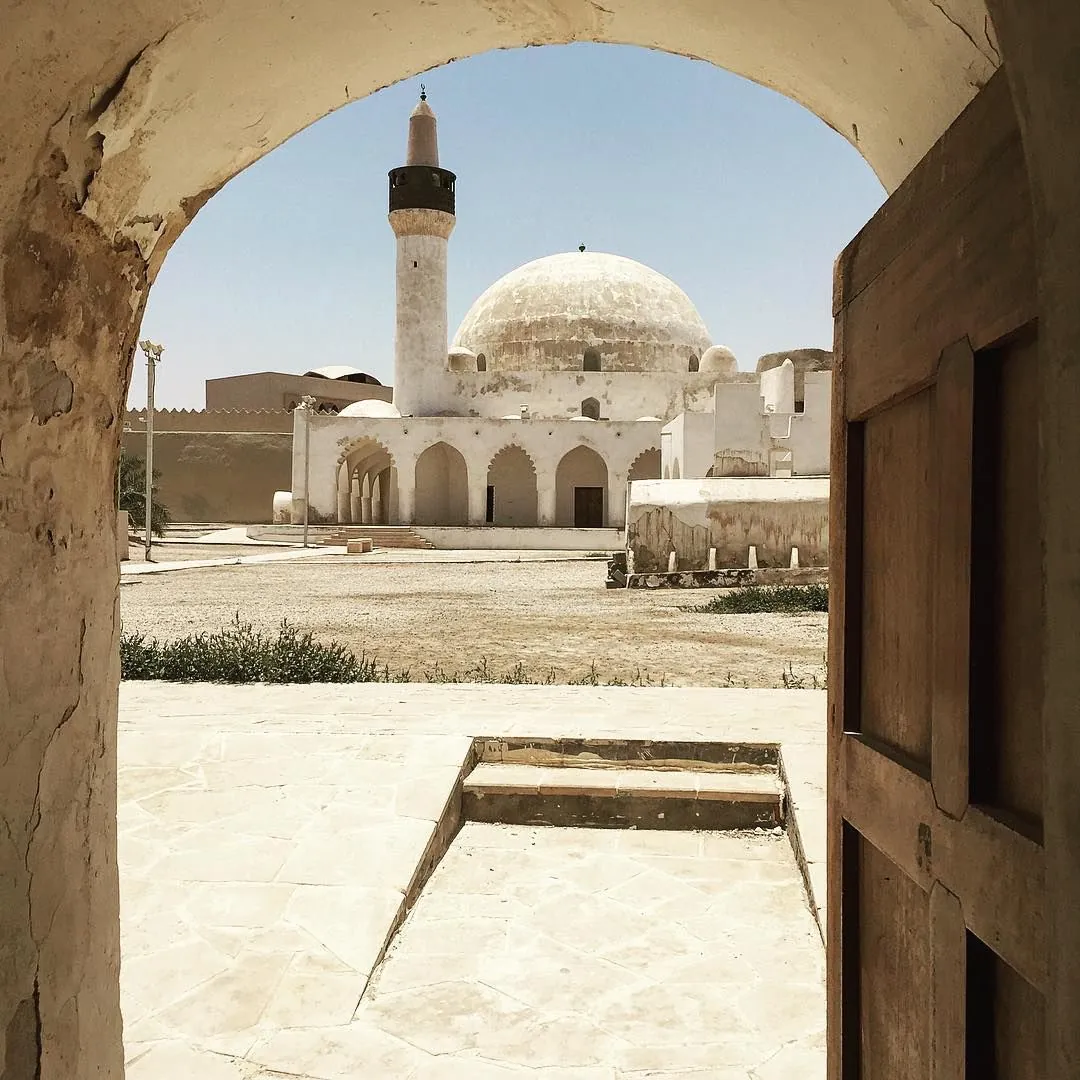
Banu Abd al-Qais embraced Islam willingly in the 7th year of the Hijra and built Jawatha Mosque, the second mosque where Friday prayer was held in Islam after the Prophet's Mosque.
A New City Founded
The Qarmatians, led by Abu Tahir al-Jannabi, founded a new city on the ruins of Hajar.
States, Emirates & Forts
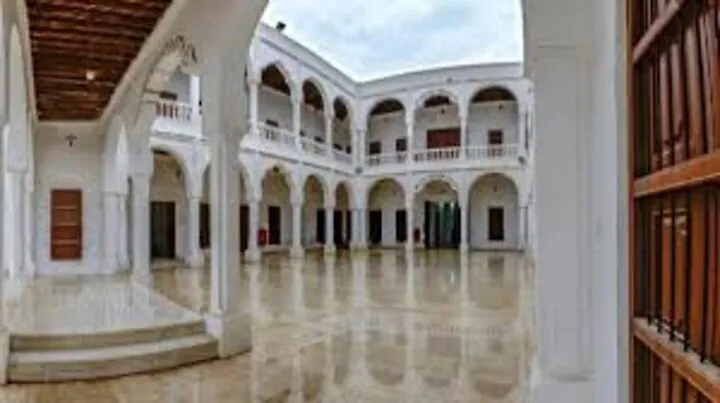
Local states and emirates succeeded one another, then the region came under Ottoman influence — they built and used its forts and palaces, such as Ibrahim Palace.
Unification & Prosperity
King Abdulaziz incorporated Al-Ahsa into the Saudi state in 1913, ushering in stability and development — today a leading tourism, cultural and agricultural destination.
Recognition Worthy of an Ancient Place
In 2018, the Al-Ahsa Oasis was inscribed on the UNESCO World Heritage List — a living testament to humanity's interaction with its environment over millennia.
It entered the Guinness World Records as the largest self-contained palm oasis on earth, and was named the Capital of Arab Tourism in 2019.
Photo Gallery
Glimpses of Al-Ahsa — filter by category.

Turn Knowledge into a Journey
Now that you know the story, it's time to live it on the ground.